Why basement recovery is different from roadside towing
A car that will not start on an open street is often a straightforward load once traffic is managed. The same car three levels underground is a different job. Ramps may be steep or narrow, ceiling heights may limit which units can enter, and other parked vehicles can block the only exit path. Security gates and ticket systems add another layer before any equipment reaches the bay.
Because every car park is built differently, basement recovery is planned case by case. Posted height signs, ramp geometry, and the size of the recovery unit all matter. This article does not invent a universal clearance number for Dubai towers. Those limits belong to the building and must be read on site or from clear photos.
Admill Vehicles Recovery treats basement work as planned extraction: gather access facts first, then decide whether a unit can enter, whether the car must be moved to a loading point, or whether a different method is required.
Access limits that shape the plan
Height barriers and low ceilings are the most obvious constraints. A truck that fits on a street may not clear a spiral ramp. Width and turning radius matter just as much: tight corners can stop a long bed even when the ceiling height looks acceptable. Speed bumps, bollards, and one-way ramps can force a longer manoeuvre than a driver expects.
Vehicle condition interacts with access. A car that will not roll needs a different approach from one that can be guided carefully to a wider bay. Locked steering, a seized brake, or collision damage can change how far the car can be moved inside the structure before it is loaded for the road.
- Posted height signs and visible barriers at entries
- Ramp width, gradient, and spiral or multi-turn layouts
- Whether the bay is blocked by neighbouring cars
- Whether the vehicle rolls, steers, and can be unlocked
- Building security rules for contractor vehicle entry
How extraction usually works
A typical sequence starts with assessment. The crew confirms whether their equipment can enter safely. If it can, they may load close to the bay or guide the car to a clearer loading point inside the structure. If a full-size unit cannot enter, the plan may involve moving the car in stages to a level or exit where loading is practical.
Methods vary. Some jobs use compact equipment suited to tight spaces; others rely on careful manoeuvring of a standard recovery unit on levels that allow it. The right choice depends on measured or observed access—not on a generic “basement package.” Expect the crew to pause if a manoeuvre looks unsafe rather than force a fit.
Once the car is on the recovery vehicle and clear of the structure, the job looks more like a normal tow to the agreed destination. Confirm that destination before loading so the car is not held while a workshop address is still being decided.
Safety inside the car park
Basements concentrate exhaust, limited visibility, and pedestrians walking to lifts. Stay clear of moving recovery equipment. Do not stand downhill of a car on a ramp. Keep children and pets away from the work area.
Follow building rules. Some properties require advance notice for recovery vehicles, escort by security, or use of a designated loading bay. Ignoring those rules can delay the job even when the technical plan is sound.
If the car sits in a live driveway lane inside the park, prioritise making it visible and protecting people first. Recovery planning comes after immediate safety.
When on-site help may avoid a full extraction
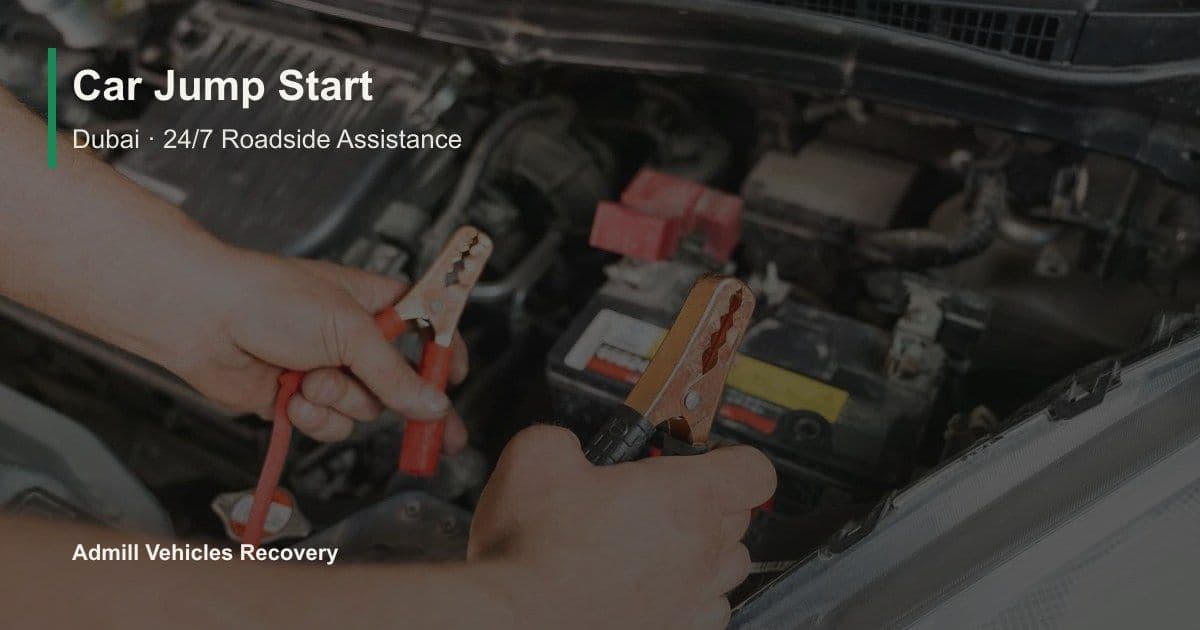
Not every basement stoppage needs a truck. A flat battery in an accessible bay may be resolved with a jump-start if the car can then drive out under its own power. Fuel delivery or a tyre fix can also restore mobility when the only issue is simple and the car is otherwise roadworthy.
Extraction becomes necessary when the car cannot leave under its own power, when damage makes driving unsafe, or when the vehicle must be removed for building or insurance reasons. If you are unsure, describe symptoms and access constraints rather than assuming the heaviest option. Admill Vehicles Recovery can help separate a mobile fix from a full basement recovery once those facts are known.
A practical checklist before the crew arrives
Gather keys, access cards, and parking tickets. Clear personal valuables you need immediately. Note any lease or building contact who can approve truck entry. Move other vehicles out of the exit path if you control them.
Write down the destination workshop or home address. If insurance is involved, ask what photos they want before the car is moved. Keep your phone available for the final approach call.
These steps will not invent clearance numbers, but they do remove avoidable delays. Basement recovery succeeds when access information, vehicle condition, and destination are aligned before equipment commits to a ramp.