How the two methods actually differ
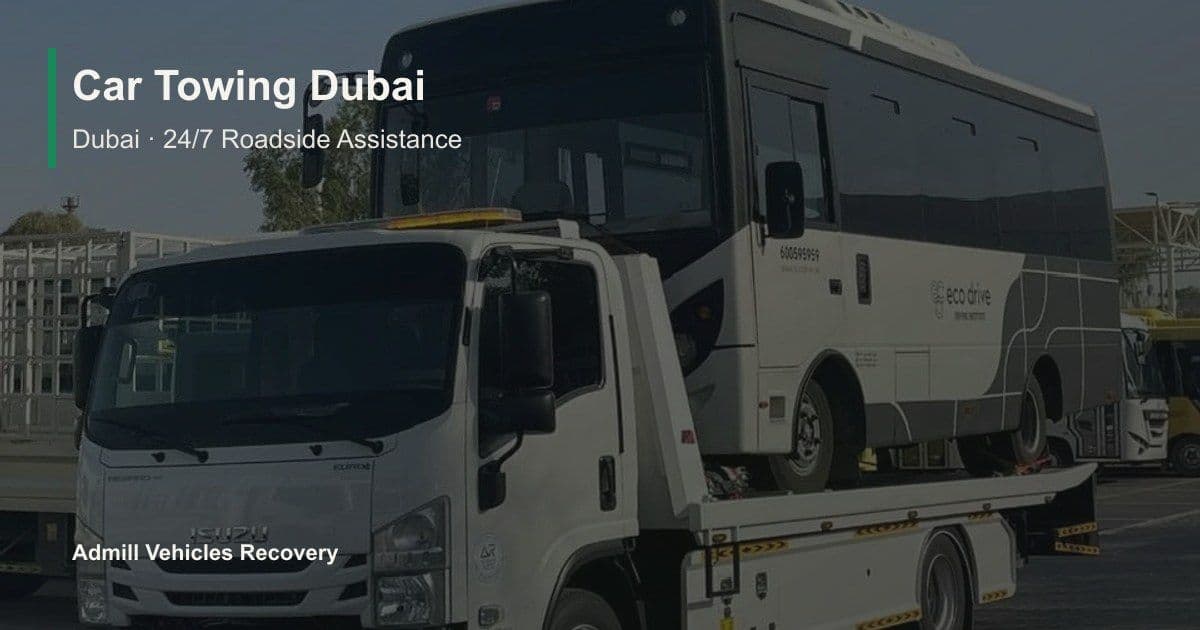
A flatbed truck carries the vehicle as cargo. Ramps or a tilt bed let the car winch or drive on, then the bed levels and the car is strapped down. All wheels are off the road. That reduces drivetrain stress and protects low front lips, aftermarket splitters, and damaged bodywork that might otherwise scrape while trailing.
A wheel-lift unit lifts the car by one axle end using a yoke or related equipment, then tows with the remaining wheels on the asphalt. It can be quicker to deploy in open streets and may fit where a long bed truck cannot align. The trade-off is clear: some wheels rotate, ground clearance at the lifted end changes, and certain drivetrains dislike being trailed.
When a flatbed is the better choice
Choose flatbed thinking first for electric vehicles, many hybrids with complex drivetrains, low sports and luxury cars, vehicles with sealed or sensitive underbodies, and cars with accident damage that leaves panels hanging or wheels misaligned. All-wheel-drive vehicles are also poor candidates for casual wheel-lift towing unless the crew has a model-appropriate plan for free-rolling or disconnect behaviour.
Longer transfers across Dubai or between emirates favour flatbed securement as well. The car rides more stably, and you avoid extended trailing of a compromised tyre or bent rim. Enclosed or box recovery builds on the same idea: full support, plus weather and privacy protection for higher-value vehicles.
- Electric and many hybrid vehicles.
- Low ground-clearance sports and exotic cars.
- Accident-damaged cars with unsafe rolling wheels.
- Vehicles the owner wants protected from further underbody scrapes.
When wheel-lift towing can still make sense
Wheel-lift methods can suit some conventional two-wheel-drive cars in open access conditions when the trailing axle is allowed to roll freely and the vehicle has adequate clearance. Short urban moves on smooth roads are the usual context. Even then, a careful operator checks transmission position, parking-brake status, and steering lock behaviour before moving.
Tight Dubai alleys, busy porte-cocheres, and some basement approaches may not accept a full-length bed truck. In those cases, crews sometimes reposition the car a short distance with specialised equipment, then load onto a flatbed in a clearer street. The headline method people argue about online—“flatbed versus wheel-lift”—is often less important than a sequenced plan that ends with safe full support when the car needs it.
Dubai access realities that change the equipment choice
Height limits in residential towers, spiral ramps, speed bumps, and valet zones shape recovery more than brochure photos do. A flatbed that is perfect on an open Sheikh Zayed Road shoulder may be wrong for a deep basement with low pipes. Conversely, a compact wheel-lift that reaches the basement may be wrong for an EV that should not trail on driven wheels for kilometres afterward.
Tell dispatch the building name, basement level, ramp grade, and any known height limit. Mention whether the car is blocked by pillars or other vehicles. Admill’s car towing, box recovery, EV recovery, and luxury or exotic recovery options exist partly because one truck shape does not fit every Dubai scene.
Damage risks to understand before you say yes
Improper towing can scrape splitters, crack plastic undertrays, stress CV joints, overheat transmissions that were trailed while locked, or spin EV motors that should have been carried. Soft sand verges outside communities can sink a lifted car’s trailing tyres. Wet basement ramps reduce traction for loading. None of these risks mean recovery is impossible; they mean method selection is part of the service, not an afterthought.
If a provider cannot explain how your specific car will be supported, ask for clarification before loading. You do not need technical jargon—just a plain answer about whether all wheels leave the road and how the car will be strapped.
A simple decision guide when you call for help
Start with vehicle type. EV, luxury low car, AWD, or accident damage points toward flatbed or enclosed recovery. Ordinary front-wheel-drive hatchback on a clear street with a free-rolling axle may allow more flexibility. Next, describe access. Height-limited basement plus sensitive car may require a two-stage plan. Finally, describe distance. A short reposition differs from a long emirate transfer.
Share dashboard warnings, fluid leaks, and whether the steering or brakes feel abnormal. That information protects both the car and the crew. Recovery is successful when the vehicle arrives without new damage and people stay clear of traffic during loading.
Working with the crew at the scene
Stay out of winch lines and ramp sides. Remove valuables and toll tags you need. Confirm the destination workshop before the bed tilts up. If you have owner-manual transport notes for an EV or exotic car, show them. Small details—air suspension height settings, electronic parking brakes, locking differentials—change the loading sequence.
Afterward, inspect the car with the workshop for transport-related concerns if the vehicle was already damaged. Good recovery should not add a second chapter of underbody harm. Choosing the right method up front is the simplest way to keep that true on Dubai’s mix of highways, towers, and service roads.
Related services
Related guides
Sources and review notes
This guide is informational and is not legal, insurance, or mechanical advice. Follow instructions from Dubai Police, your insurer, or the relevant authority when they apply.
- Industry practice on flatbed versus wheel-lift selection — Vehicle recovery best practice (checked 2026-07-28)