Why a flatbed is the default for EV towing
Traditional tow shortcuts that leave drive wheels on the asphalt can create problems for battery-electric cars. When an EV is pulled with drive wheels rotating, the motor can generate voltage in ways the vehicle was not meant to experience while powered down or faulted. Owner manuals for many electric models emphasise transport on a flatbed or equivalent full-vehicle support. That is why responsible recovery teams in the UAE start from “load the whole car” rather than “drag it on two wheels.”
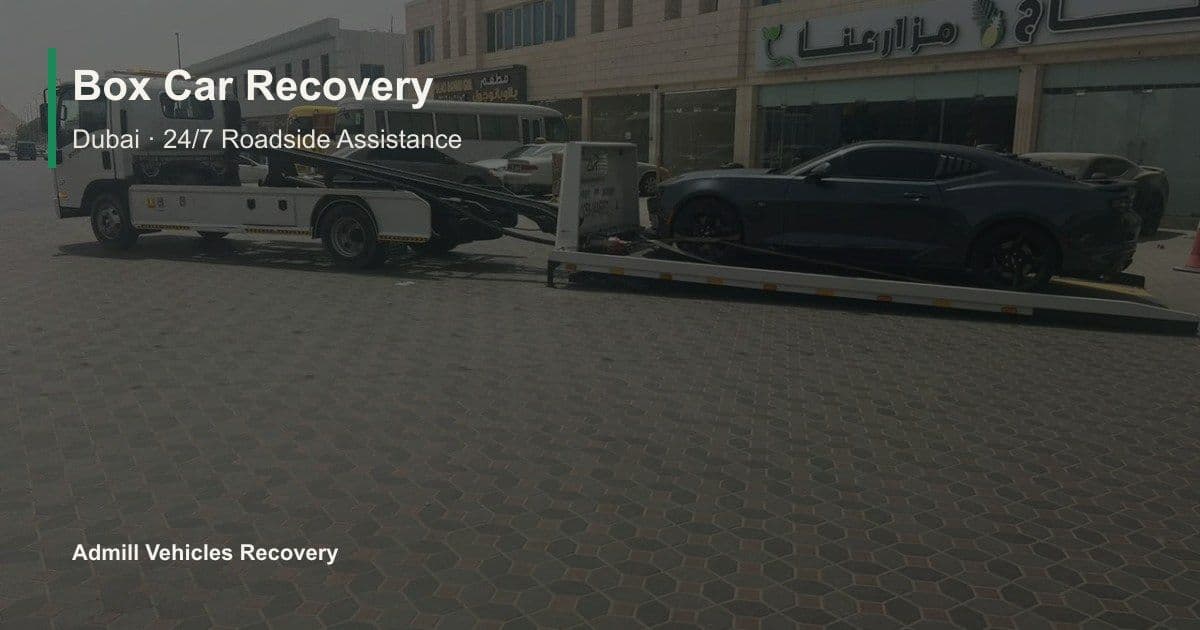
A flatbed also protects low underbodies, battery enclosures, and aero panels that sit closer to the ground than many older petrol SUVs. Dubai’s speed bumps, ramp transitions, and steep parkade entrances already challenge ground clearance. Winching onto a tilted bed with proper ramps is usually gentler than bouncing a partially lifted EV over those obstacles.
What not to assume about brands and modes
Electric vehicle transport advice is model-specific. Some cars offer transport or neutral modes, tyre-pressure monitoring quirks, or electronic parking brakes that need a particular release sequence. Recovery crews should follow the vehicle’s documented transport guidance where available, and drivers should share the model and any warning messages on the dash. What works for one hatchback EV may not apply to a dual-motor performance model.
This article does not claim manufacturer authorisation, approved-dealer status, or brand-specific certification for any EV maker. Admill’s role is practical recovery: safe loading, securement, and delivery to the destination you and your workshop agree. For warranty, software, or high-voltage repair questions, speak to your service centre. For moving a stranded EV off a Dubai street or highway shoulder, focus on flatbed transport and clear access details.
Common EV recovery scenarios in Dubai and the UAE
Range anxiety is only one story. In the UAE, EVs also stop because of 12-volt auxiliary battery issues that leave the car unable to power accessories or select Ready mode, tyre damage on hot asphalt, parking sensor or charging cable incidents in tight basements, and collision damage that isolates the high-voltage system. In each case, the car may be silent yet still heavy, low, and awkward to move without the right truck.
Charging locations add their own geometry. Street chargers near malls, hotel porte-cocheres, and community parking can leave little room for a large bed truck to align. Drivers should describe whether the EV is nose-in, parallel, or boxed in by other cars. Sometimes a short reposition with a wheel skate or winch line is needed before the full load, always with attention to the battery pack’s underside.
- Highway shoulder stops after a sudden loss of power or warning lights.
- Basement or podium parking where the car will not start after sitting in heat.
- Tyre sidewall damage that makes driving unsafe even if the battery still has charge.
- Post-impact moves where high-voltage isolation makes the car undriveable.
What to tell the dispatcher when you call
Say that the vehicle is electric, give the model if you know it, and confirm whether it rolls freely. Mention any transport mode instructions you have already found in the manual or glovebox QR materials. Note ground clearance concerns, carbon or plastic undertrays, and whether a charging cable is still connected. If the car is in a height-limited basement, measure or estimate the clearance to pipes and beams before a tall unit is sent.
Also share destination details. Some owners want the nearest multi-brand workshop; others need a specific service centre across town. Emirate-to-emirate moves need realistic planning for distance, securement, and any stop restrictions. Accurate expectations prevent rushed loading decisions.
Flatbed versus wheel-lift and other shortcuts
Wheel-lift towing can be appropriate for some conventional cars in open conditions, but it is a poor default for EVs. Dollies that put drive wheels on free-spinning cradles are sometimes discussed as alternatives when a full flatbed cannot reach the car, yet they still require trained use and model-appropriate judgement. Soft sand verges outside Dubai communities, flooded underpasses after rare heavy rain, and blocked alleyways may force creative access planning—without abandoning the principle of protecting the drivetrain and underbody.
Enclosed or box-style recovery can add weather and privacy protection for higher-value EVs, but the core requirement remains the same: the car should ride, not drag. If a provider suggests towing an EV for a long distance with drive wheels on the road, ask them to explain how that method matches the vehicle’s transport guidance. A clear answer should reference flatbed loading or an equivalent all-wheels-off-ground approach.
Safety around high-voltage systems after a fault or crash
Drivers should not open orange high-voltage connectors, cut cables, or attempt DIY jump procedures on systems they do not understand. The small 12-volt battery in many EVs can sometimes be involved in no-start situations, but that does not mean the high-voltage pack is a roadside DIY project. After a collision, leave isolation and inspection to qualified technicians. Tell recovery crews if you smell unusual odours, see battery enclosure damage, or notice warning messages related to the electrical system.
At the scene, keep bystanders clear of winch cables and ramps. EVs are quiet, so confirm the vehicle is truly powered down before anyone steps close to moving equipment. Remove personal items and charging cards you need before the car is loaded.
Preparation tips for EV owners who drive Dubai roads
Keep digital or paper access to your transport section of the owner’s manual. Save your preferred workshop location. Note basement height limits in your building. In summer, a weak 12-volt battery can strand an otherwise charged EV; if the car sits unused, arrange a health check rather than discovering a no-start before a desert weekend trip. When you need help, Admill Vehicles Recovery can discuss flatbed EV recovery and access constraints before the truck rolls.
Finally, remember that recovery is about safe movement, not brand theatre. The best outcome is a securely loaded EV delivered without underbody scrapes or drivetrain stress, ready for proper diagnosis.
Related services
Related guides
Sources and review notes
This guide is informational and is not legal, insurance, or mechanical advice. Follow instructions from Dubai Police, your insurer, or the relevant authority when they apply.
- Owner-manual transport guidance (general EV practice) — Vehicle manufacturer owner documentation (checked 2026-07-28)